
While many homeowners are converting from a wood fireplace to gas for convenience, those who cherish their wood-burning fireplace know that the secret to a warm, efficient fire lies in the fuel. Using poor-quality, wet firewood is not only frustrating but can lead to creosote buildup and low heat output. If you have an indoor fireplace, mastering the art of sourcing, stacking, and seasoning your wood is essential for peak performance. Here is your guide from Haven Spa, Pool & Hearth serving Clackamas, Beaverton, Salem, and Vancouver to preparing the best fuel for your hearth, whether you’re using a traditional mantel or considering a modern fireplace installation upgrade. Get started today.
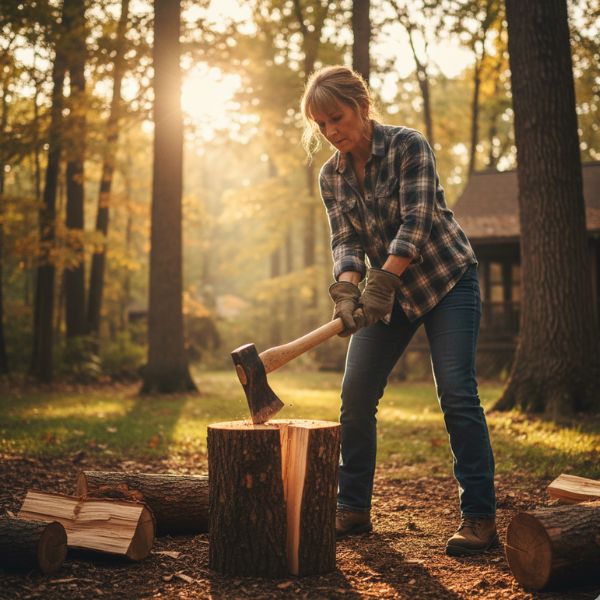
Sourcing and Splitting for Optimal Dryness
When sourcing wood, always choose species appropriate for burning, such as oak, maple, or ash. The most crucial step is splitting. Wood should be split into pieces no larger than 6 inches in diameter. Why? Split wood exposes the internal fibers, allowing moisture to escape far more quickly than leaving it as rounds. If you buy wood already cut, ensure it was split at least six months prior. Proper sizing is the first step toward effective seasoning.
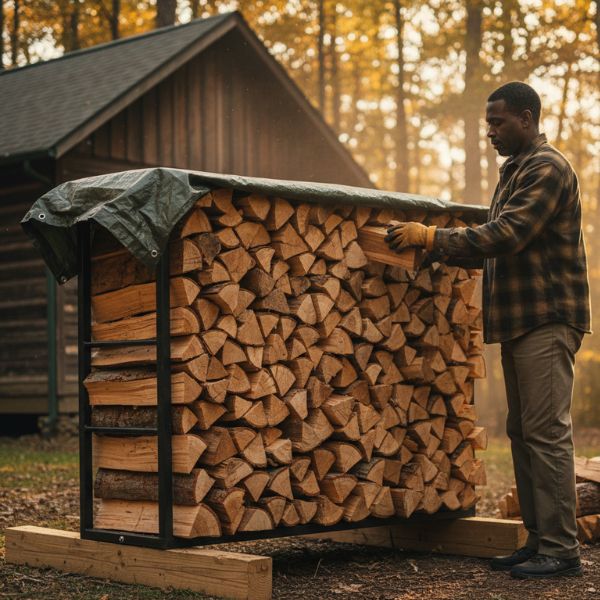
Stacking for Maximum Airflow
The way you stack your firewood dictates how quickly it dries. Do not stack wood directly against a fence, wall, or the ground. Use a dedicated rack or lay down runners (like 2x4s) to keep the bottom layer off the dirt, preventing moisture wicking and insect infestation. Stack the rows loosely, ensuring there are air gaps between the pieces. A proper stack, ideally covered only on the top to keep rain off while leaving the sides open to the wind, is the engine of the seasoning process.
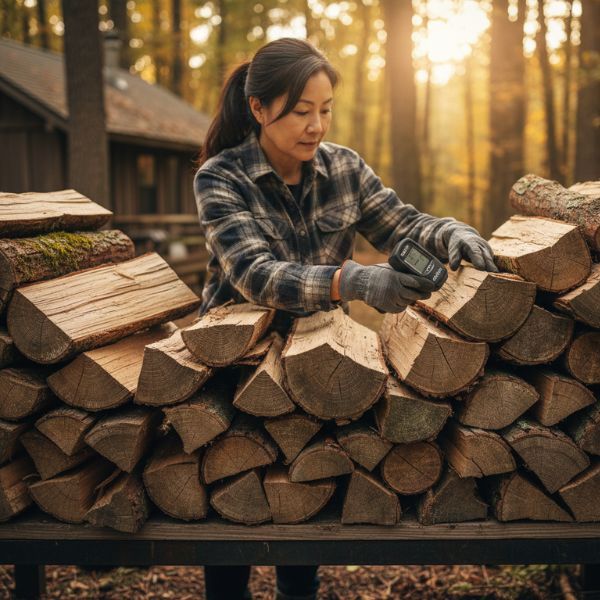
The Seasoning Sweet Spot (Moisture Content)
Seasoning is not about time; it’s about moisture content. Wood is considered seasoned and ready to burn efficiently when its moisture content drops below 20%. Depending on your climate and the wood species, this typically takes 6 to 12 months (or more). You’ll know your wood is ready when it has deep cracks on the ends, turns a dull gray color, and makes a hollow “clunk” sound when two pieces are hit together. Burning properly seasoned wood in your indoor fireplace results in a hotter, cleaner burn and less smoke.
CONTACT US TODAY
Properly prepared firewood is the heart of any efficient wood-burning fireplace. By focusing on splitting, stacking, and seasoning, you ensure that every fire is as clean, hot, and enjoyable as possible. Stop by one of Haven Spa. Pool & Hearth’s locations in Salem, Beaverton, Clackamas, and Vancouver today.